


Creating a space that feels gentle, safe, and grounded.
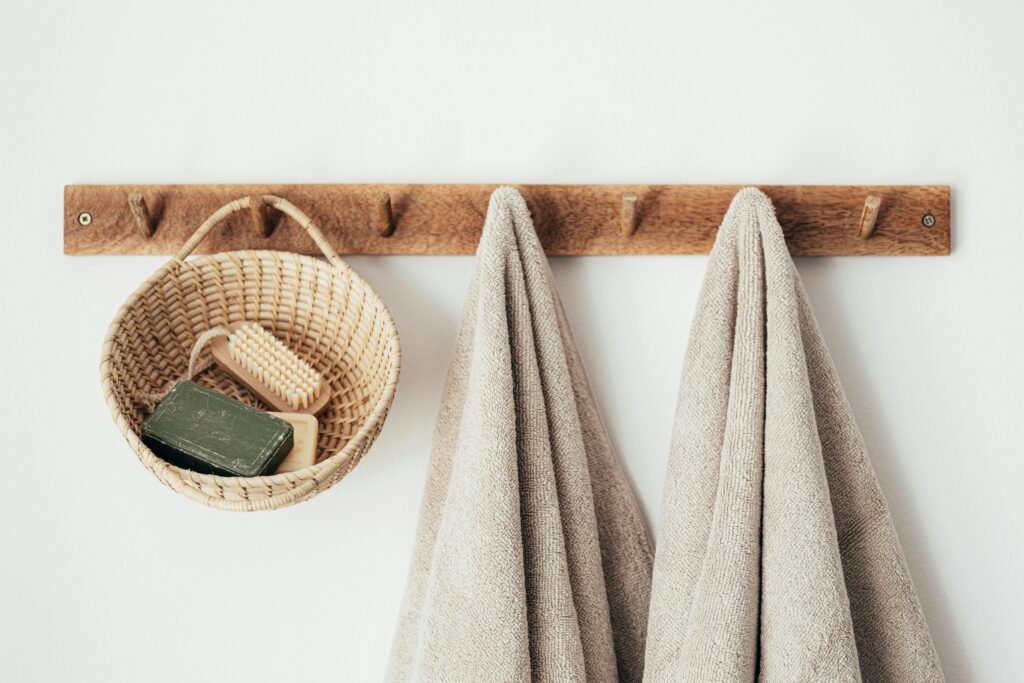
The Eco-Quiet Home
An eco-quiet home isn’t about perfection.
It’s about intention.
It’s the kind of space that feels calm when you walk through the door.
A home that supports your nervous system, respects the earth, and feels safe for the people and animals who live there.
The Eco-Quiet Home is one of the sanctuary rooms because our homes shape how we feel, how we rest, and how we show up in the world. When our spaces are kinder to our bodies, to animals, and to the planet, we begin to feel more rooted and at ease.
What Is an Eco-Quiet Home?
An eco-quiet home is a living space guided by three gentle principles:
- Non-toxic and safer for health
- Mindful of waste and consumption
- Grounded in simplicity and care, not excess
It doesn’t mean your home has to look a certain way or that you must replace everything you own. It means making thoughtful choices over time – choosing fewer, better, and kinder options when you can.
Quiet doesn’t mean empty.
Eco doesn’t mean rigid.
This is about harmony, not rules.
Why This Space Matters
So many homes are filled with invisible noise – chemical fragrances, harsh cleaners, plastic overload, fast replacements, and constant clutter. Over time, that noise affects our health, our animals, and our sense of peace.
An eco-quiet home creates room to breathe.
It’s especially important for:
- Sensitive humans and nervous systems
- Companion animals who are closer to floors, fabrics, and air
- Anyone longing for a slower, more grounded way of living
When our homes are gentler, our days often follow.

What an Eco-Quiet Home Is Not
Let’s gently release a few myths:
- It’s not about being perfectly zero-waste
- It’s not about expensive “green” upgrades
- It’s not about guilt for what you haven’t done
This space honors progress, not pressure.
Gentle Ways to Begin Your Eco-Quiet Home
You don’t need to do everything at once. One small shift is enough to begin.
1. Start with what you use most
Cleaning products, laundry detergent, dish soap – these all touch your home daily. Switching just one product to a non-toxic option is meaningful.
2. Use what you already have
The most sustainable choice is often the one already in your home. Finish products before replacing them. Repurpose towels, jars, and containers.
3. Reduce synthetic fragrance
Artificial scents can be overwhelming for both people and animals. Opening windows, using baking soda, vinegar, or simple essential oils (used carefully and pet-safely) can bring freshness without harm.
4. Donate instead of discarding
Old blankets, towels, and bedding can be lifesaving for animal shelters. Clothes and home goods can often find new life elsewhere.
5. Choose natural textures and materials when possible
Cotton, linen, wood, glass, and ceramic tend to feel calmer and age more gracefully than plastic-heavy alternatives.
Eco-Quiet Living with Animals in Mind
Our animal companions experience our homes differently than we do. They’re closer to the floor, more sensitive to scent, and unable to escape harsh chemicals.
An eco-quiet home:
- Uses safer cleaning products around pets
- Avoids strong fragrances and aerosols
- Creates cozy, calm spaces for rest
- Prioritizes comfort, warmth, and safety
This is a form of love.
Let This Be a Living Practice
Your eco-quiet home will evolve as you do.
Some seasons will be more intentional than others and that’s okay.
This sanctuary room is not about doing more.
It’s about doing what feels aligned, kind, and sustainable for your life.
As you continue exploring The Eco-Quiet Home, you’ll find:
- Gentle product swaps
- Simple routines
- Thoughtful ways to reduce waste
- Inspiration for calmer, kinder living
Let your home become a place that holds you softly – a quiet partner in the life you’re creating.
You don’t need to rush.
You’re already on the path.

